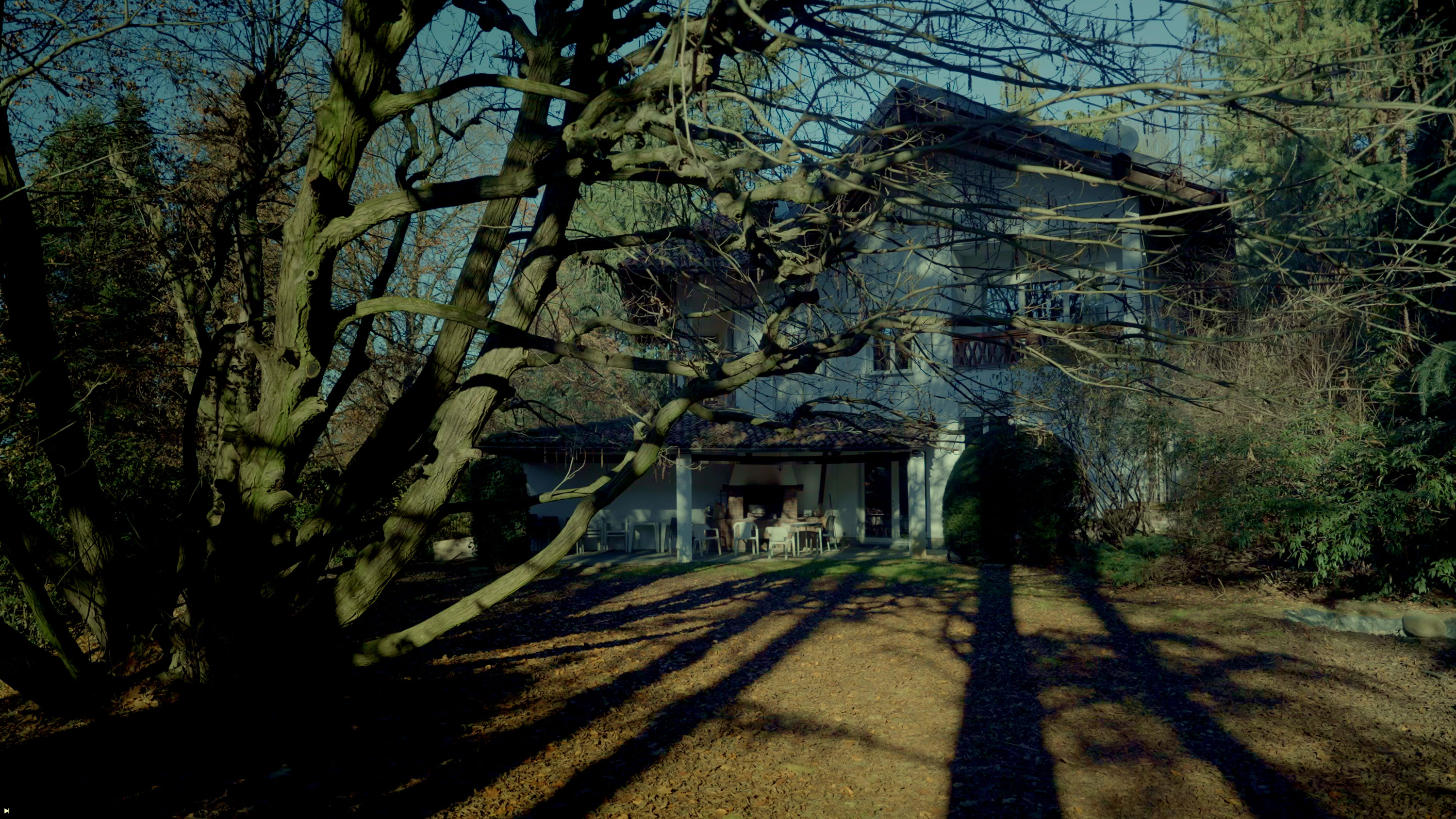
Una casa aperta di Torino si raccoglie intorno a un evento estremo, il fine vita di una giovane terapista la cui ricerca interiore incrocia le frontiere della scienza, andando oltre religioni, dogmi e norme. Martina ha scoperto di essere malata proprio quando aveva trovato la sua vocazione, a poco più di trent’anni: aiutare gli altri con ironia e un modo radicalmente sincero di condividere ciò che è più intimo. Il film nasce dall’espansione di questo impulso, un invito a esplorare forme di coscienza ancora poco indagate. Ne emerge un viaggio sorprendente dove scienza e immaginazione si sfiorano, e l’intimità delle relazioni costringe a ripensare i confini del reale.
La malattia di Martina, e la sua esperienza pionieristica nell’uso di piante enteogene come fonte di serenità e di ampliamento della coscienza in uno stadio di sofferenza, diventa l’avvio di un percorso che parla a tutti, sospeso tra presenza e assenza. Il contatto ravvicinato con la morte trasforma lo sguardo di chi è entrato nell’open house e di chi ci entrerà attraverso il film, la casa che Martina ha aperto perché la sua esperienza potesse illuminare la finitezza della vita, sciogliendo tabù con un’energia contagiosa, ironica e profondamente generativa. Questo film è un inno alla vita.
Questo film nasce da una spinta profondamente personale, dal legame familiare del regista Michele Cinque con la storia. Martina ed Eugenio gli hanno permesso e proposto di entrare nel loro percorso proprio quando avevano chiaro cosa amassero fare professionalmente e umanamente. La spontaneità con cui il progetto è nato, e l’urgenza con cui la protagonista stessa lo ha incoraggiato, hanno reso evidente che non si trattava soltanto di documentare, ma di dare continuità a un lavoro di ricerca profonda, capace di abbattere enormi tabù, già avviato da loro: una traccia permanente fatta di scritti, riflessioni, podcast, viaggi psichedelici, un dialogo aperto di cura che non voleva spegnersi e che anzi andava universalizzato arrivando ad un pubblico più ampio possibile.
In questo processo in modo altrettanto naturale è nata la collaborazione tra il regista e la sua casa di produzione Lazy Film e Mybosswas. Non solo per una stima e affinità artistica e produttiva consolidata negli anni, ma per la sensibilità umana e il rispetto autentico che la squadra di Mybosswas poteva portare su questi temi vista una simile esperienza vissuta all’interno dello studio.