Da essa vi abbiamo creati parla dell’amicizia tra due giovani ragazze, Sanà ed Eva. Attraverso il loro dialogo approfondiamo il passato della famiglia di Sanà: i nonni Mariam e Aboulkheir, originari della Siria, sono esiliati politici in Italia da cinquant’anni. E qui non solo costruiscono la loro famiglia, ma fondano e guidano la comunità islamica in Italia ed Europa.
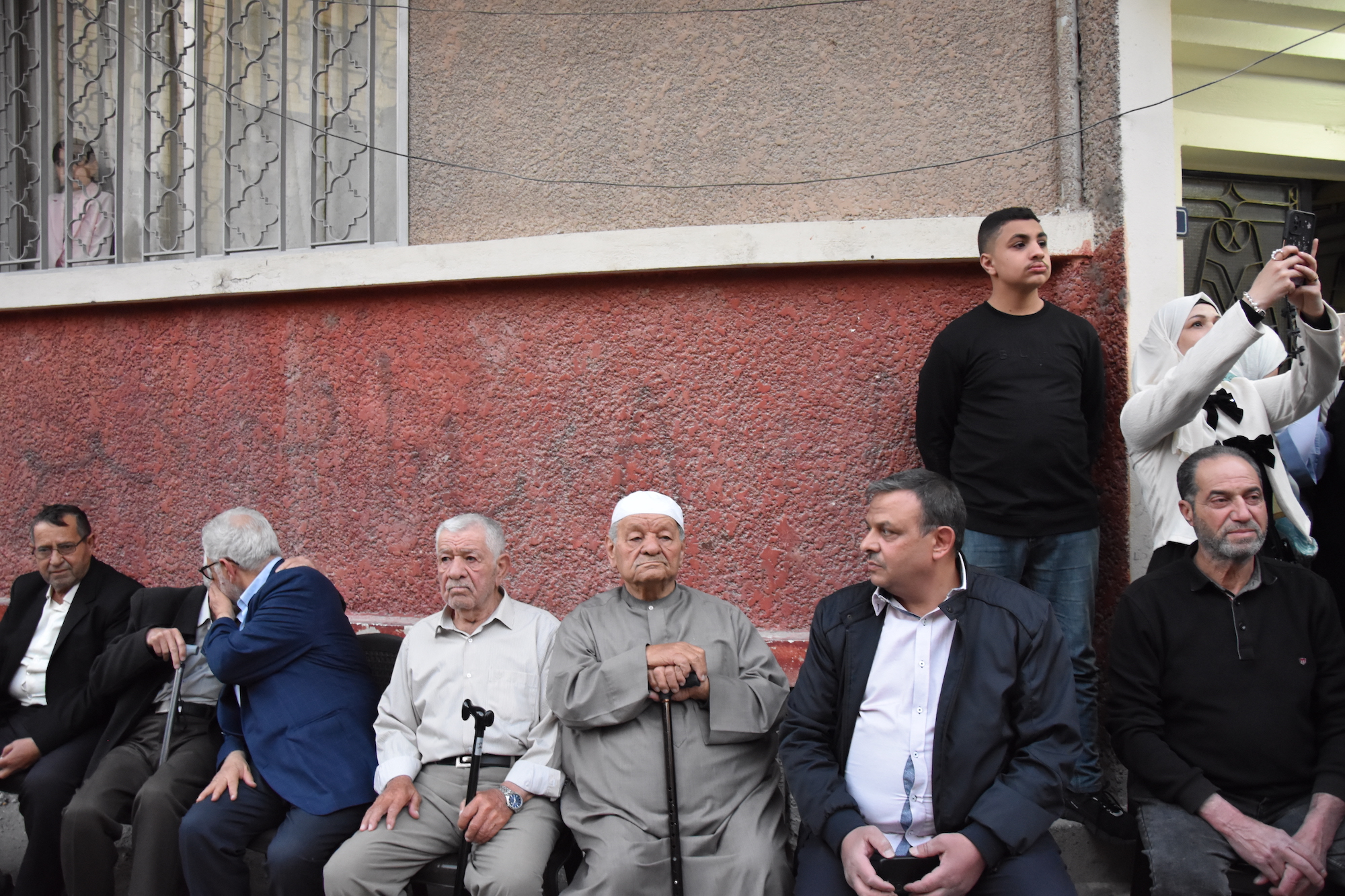
Alla caduta della dittatura di Assad nel 2024, Mariam e Aboulkheir rientrano in Siria e Sanà mette piede per la prima volta nella sua terra d’origine. Aboulkheir riabbraccia Abu-Jamal, fratello 96enne sopravvissuto alle torture e ai bombardamenti. Tra le macerie, Eva vive le ferite di un popolo per contribuire alla costruzione di un memoriale della tragedia del popolo siriano. Tornati in Italia si affronta con fatica la costruzione di un’Italia multiculturale e la complessità di essere diaspora.
Da essa vi abbiamo creati prende forma a partire dall’amicizia tra Eva e Sanà e dall’incontro delle loro differenze. Questo legame intimo apre la strada a un viaggio verso una Siria finalmente libera dalla dittatura. La vicinanza dei loro corpi e dei loro sguardi, così diversi, può apparire come un’utopia, ma incarna ciò per cui la famiglia di Sanà lotta da generazioni: una convivenza fondata sul rispetto, sulla libertà e sull’uguaglianza tra culture e fedi diverse.
Il film nasce dall’urgenza di testimoniare, di raccontare la tragedia ma anche la vita, le storie d’amore e fiducia che resistono nella Storia. La sconfitta delle dittature sembra risiedere proprio nella tenacia dei legami umani, quelli che nessuna guerra, distanza o paura riesce a spezzare.
Eva vuole conoscere Abu-Jamal e la famiglia rimasta in Siria, vedere ciò che resta, toccare le tracce della guerra e confrontarsi con una realtà spesso rimossa in Europa. La città dei nonni di Sanà, Al Tal, a pochi chilometri da Saydnaya — simbolo di torture e sparizioni — custodisce tra macerie e racconti un pezzo dell’identità di Sanà e, forse, della violenza del nostro tempo.