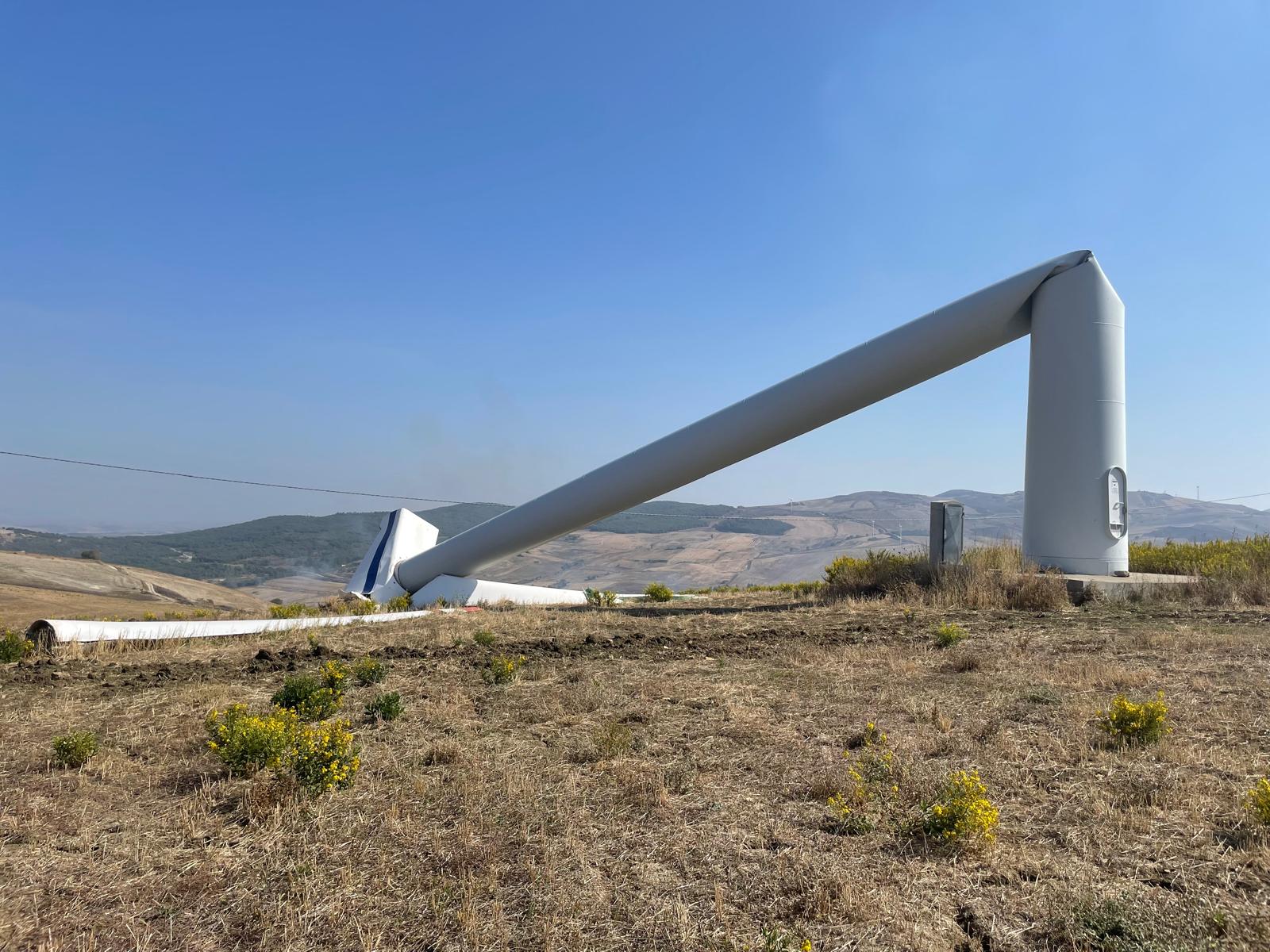
Nel cuore della Basilicata, Non ci resta che il vento racconta la vita quotidiana di agricoltori e allevatori della provincia di Potenza, come Incoronata e suo figlio Giovanni, schiacciati tra tradizione e trasformazioni contemporanee. Incoronata, 75 anni, è ancora attiva nella fattoria e incarna la resistenza silenziosa di un mondo che scompare. Intorno a lei, una rete di affetti sostiene una comunità contadina che lotta contro l’abbandono. Dominano il paesaggio le pale eoliche, nuove padrone del territorio: si muovono in gruppo, si lamentano al vento, lampeggiano nella notte e reclamano la terra. Anche loro, come gli uomini, soffrono, invecchiano e muoiono, lasciando cimiteri arrugginiti tra le montagne inaccessibili. Il film, ibrido e poetico, intreccia memorie, desideri e visioni, disegnando un ritratto intimo e politico di un territorio in bilico tra sparizione e sopravvivenza.
Non ci resta che il vento nasce da un’ambizione politica, poetica e personale: restituire dignità e visibilità alle esistenze silenziose e resistenti dei contadini della Basilicata e delle loro famiglie, filmando il loro quotidiano come chiave di comprensione del mondo contemporaneo. In un tempo in cui il mondo rurale è spesso presentato come residuo folkloristico o spazio da riconvertire economicamente, il film ambisce a proporre un’altra chiave di lettura, un nuovo spazio di ascolto. Attraverso una scrittura cinematografica attenta al dettaglio umano e paesaggistico, il documentario racconta un’Italia laboriosa ma con poca ricchezza, che suscita scarso interesse nelle istituzioni, nel panorama politico e, su più ampia scala, nell'economia globalizzata, se non come fonte di sfruttamento produttivo. I contadini lucani, spettatori passivi di politiche agricole fluttuanti, informati o disorientati dalle informazioni televisive, affrontano l'era della globalizzazione e l'evoluzione tecnologica con coraggio e rassegnazione.