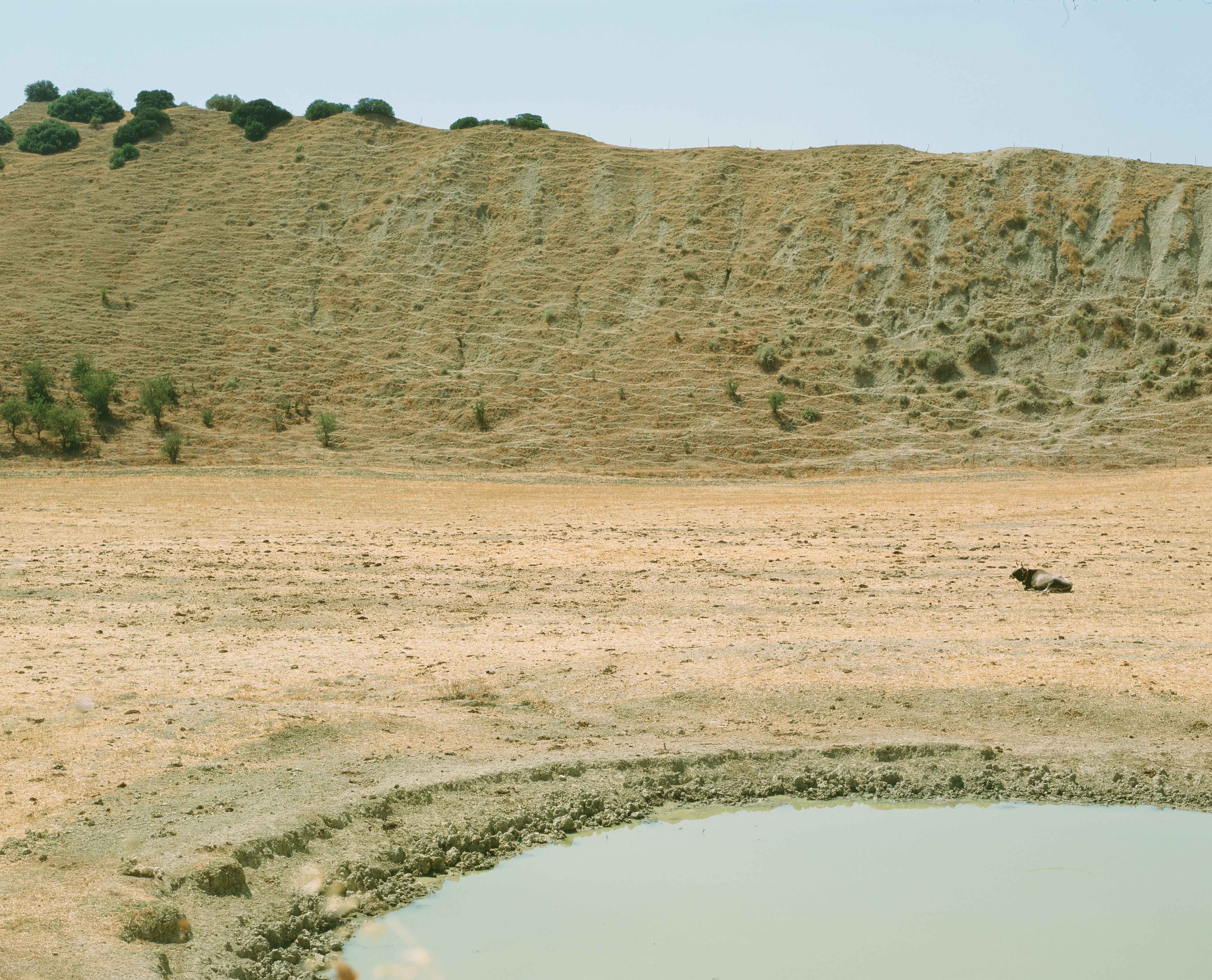
La Lucania è una terra del Meridione d’Italia in cui da millenni contadini operosi solcano le colline del grano con il loro inesorabile passo. Braccianti antichi e coltivatori contemporanei vivono nella compresenza dei tempi, rinnovando nel ciclo delle stagioni la cura per la terra, i cereali e gli animali. Le loro fatiche sono sublimate da Guastamacchia, contadino cantore che attraversa il paesaggio cercando lavoro a servizio dei padroni. La sua voce evoca le storie di sopravvivenza di una comunità rurale segnata da decenni di lotte bracciantili e letteratura militante, spesso proiettata verso l’altrove industriale. Il veicolo prediletto della parola è il canto, la lingua universale dei contadini, che hanno tramandato la propria storia solo oralmente. Nel flusso musicale scorrono i versi di Rocco Scotellaro, poeta della libertà contadina, militante sulla terra e sulla pagina. Tra i resti della civiltà rurale del Novecento, i contadini tentano di consegnare pratiche ancestrali a un futuro ancora indefinito.
Il film si muove alla ricerca dell'eredità della civiltà contadina. Una civiltà paradossalmente superata e necessaria. Due generi riecheggiano nel tentativo di ricostruire una comunità rurale e di far rivivere antiche pratiche minacciate di scomparire: il western e il musical. Il primo vive in personaggi di un altro tempo e nei borghi fantasma della Riforma agraria del 1950. Il secondo in canti e strumenti arcaici, di musicisti e cantori di oggi. Si mostrano per ossimoro miti e fantasmi scomparsi, i cui temi sono oggi più che mai urgenti: le lotte per il lavoro, la difesa del paesaggio, lo sfruttamento, la terribile mancanza di poesia di oggi, la sensazione di non avere più spazio e tempo per agire. Il film fa vedere la persistenza di quel luogo nella compresenza dei tempi, ispirato da Rocco Scotellaro, grande poeta contadino e rivoluzionario, sparito dall’attualità e tutto da riscoprire, soprattutto per i giovani che oggi chiedono il diritto di far parte del mondo e della storia.
Regia
Alessandra Lancellotti
Soggetto
Alessandra Lancellotti
Sceneggiatura
Alessandra Lancellotti
Fotografia
Tomas Rigoni, Enrico Masi
Montaggio
Esmeralda Calabria
Musica originale
Antonio Guastamacchia, Héctor Cavallaro, Pino Basile
Suono
Michele Leucci; Jacopo Bonora (Missaggio)
Operatore
Paolo Fedele (Assistente)
Altri credits
Enrico Masi (Supervisione artistica; Carlotta Guaraldo (Assembly Editor); Melita Mandalà (Erchive Producer); Marta Franceschetti, Francesca Ferri (Ufficio Stampa).
Interpreti
Antonio Guastamacchia, Angelica Brienza, Daniele Onorati, Giorgia Palmucci, Giuseppe Antonio Colangelo, Pino Basile, Gerardo Santorsa, Vincenzo Brienza, Don Gaetano Corbo, Tonino Amati, Aurelia De Bonis, Teresa Tamburrino, Giuseppe Miseo, Nicolas Lancellotti, Antonio Benevento
Produzione esecutiva
Giuseppe Fedele
Produttore
Stefano Migliore, Enrico Masi
Produzione
Caucaso, in collaborazione con Fedelissimi
Assistente al montaggio
Carlotta Guaraldo
Assistente alla regia
Tecla Chiomio
Assistente di produzione
Lidia Pantone, Rocchina Mecca, Alessia Carbone