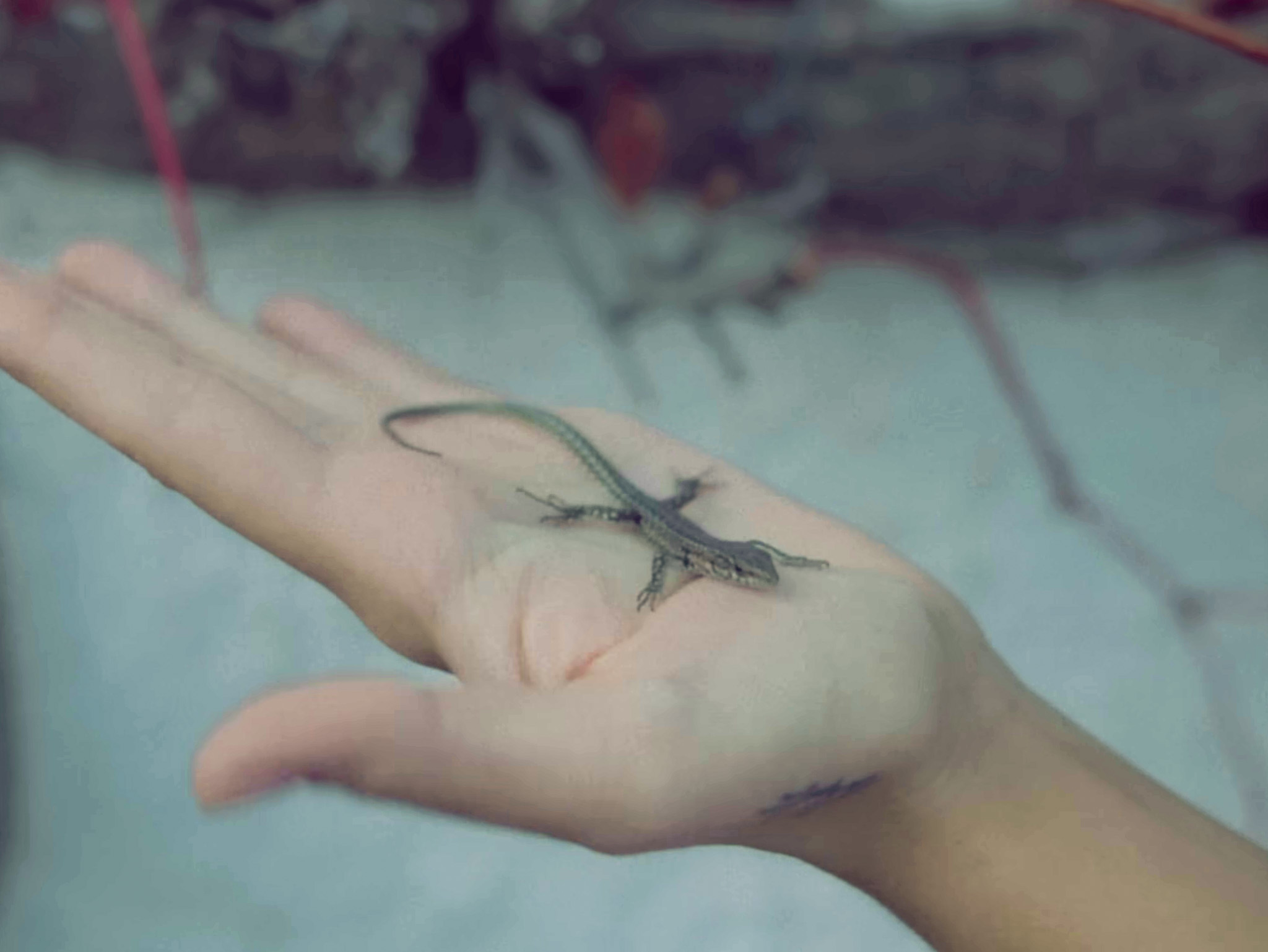
All’alba, una piccola lucertola a cui è stata tagliata la coda scappa dalle mani di un bambino. Siamo in un piccolo villaggio valdostano, vicino ad un allevamento di montagna. È ora di mungere le mucche, ma la routine si interrompe: François assiste al parto di una capra. Il capretto appena nato sembra condannato a non sopravvivere. I genitori, per non turbarlo, gli nascondono la verità. Quella notte, spinto dall’inquietudine, François torna alla stalla e scopre che il piccolo ha due teste. Poco dopo, muore. Sconvolto, il bambino passa la notte in dormiveglia, attraversato da un impeto che non conosceva. All’alba, si avventura nel bosco, là dove ha trovato il capretto, in attesa che i primi raggi del sole compiano un miracolo. E quando la luce finalmente lo raggiunge, il cucciolo emette un belato. François resta senza fiato, e anche sua madre, corsa a cercarlo, è incredula. Il racconto si chiude su questa visione fragile e luminosa: forse qualcosa, contro ogni logica, è tornato alla vita.
Un giorno mi regalarono una piccola lucertola in una teca sigillata. Forse per ritrosia o per tristezza la lucertola non si mostrava molto allo sguardo. Un giorno una strana fissità mi fece precipitare al vetro della teca e tra i piccoli arbusti e pietre che la ornavano non potei altro che constatare che la lucertola era immobile perché senza vita. Quel giorno fu pieno di una malinconia fortissima, l’idea che la lucertola non fosse mai uscita da quella teca e che fosse morta senza quasi emettere suono mi gettò nello sconforto. Riconnettermi con quel sentimento di perdita per una - relativamente - piccola anima mi diede una nuova prospettiva nei confronti delle cose e una risposta al lessico - e non solo - della violenza che giornalmente ci investe. Raccontare questa storia attraverso gli occhi di un bambino è un’ode all’empatia. Sentire l’altro, anche nella sua mostruosità, improduttività e imperfezione è un antidoto alla violenza più profonda. Quella che stiamo vivendo giornalmente.