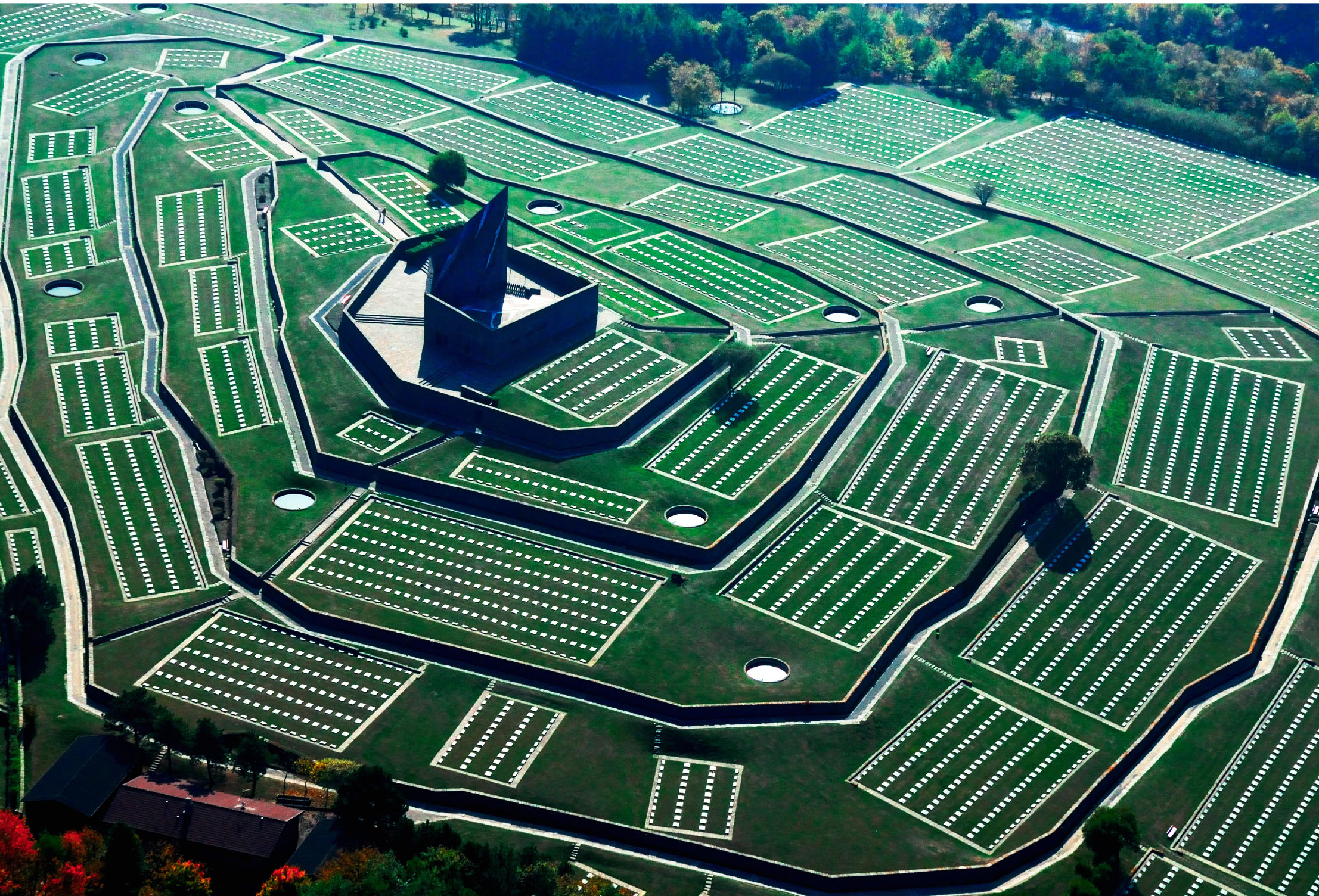
Il cimitero germanico della Futa ha una struttura che ricorda un labirinto. Qui sono sepolti oltre 30.000 soldati. I loro nomi incisi nella pietra, la loro presenza sospesa nell’aria. Le stagioni che scorrono, il paesaggio cambia. Un luogo dedicato ai morti, ma sono i vivi ad abitarlo. Il Labirinto è un’indagine. Sui luoghi, sul tempo, su ciò che resta nella memoria. Nei boschi, cercatori di corpi riportano alla luce frammenti di uomini dimenticati. Il custode cataloga le ossa, paziente, meticoloso. Una compagnia teatrale ritorna, anno dopo anno, recitando tra le tombe La montagna Incantata di Thomas Mann, trasformando la storia in rito. Immagini d’archivio, voci del passato e i testi di Cesare Pavese e di Thomas Mann rendono la memoria qualcosa di fluido, conservato, continuamente rimodellato. Nulla è definitivo. Né la guerra, né il lutto, nemmeno i morti.
La memoria, come processo collettivo, è in pericolo. Le storie del passato vengono spesso trascurate o dimenticate, e la capacità di comprendere il nostro presente risulta indebolita dalla mancanza di un legame autentico con il passato. Il film è una riflessione profonda su come la memoria collettiva si costruisce, si preserva e, allo stesso tempo, venga messa alla prova dalle dinamiche della contemporaneità. In un periodo storico in cui il conflitto, le divisioni politiche e l’alienazione sociale sembrano prevalere, il nostro compito di interrogare la memoria e il passato diventa fondamentale per riscoprire il valore della pace e dell’unità. Il cimitero della Futa è uno spazio di riflessione e di ricostruzione della nostra identità collettiva. Il Labirinto affronta il tema della memoria in un contesto europeo che oggi è più che mai segnato dalle cicatrici della Seconda Guerra Mondiale, ma anche dalle sfide sociali ed economiche attuali. Le divisioni politiche e sociali che attraversano l’Europa ed il mondo, insieme al rifiuto di riconoscere le radici comuni del nostro passato, rendono questo film ancora più attuale. Il labirinto non si limita a indagare il passato, ma cerca di portare alla luce nuove prospettive sul futuro della memoria. Si tratta di un lavoro che continua a esplorare la relazione tra luogo e memoria, mettendo in evidenza la necessità di riflettere costantemente sul nostro passato per comprendere appieno il nostro presente.